System Design: Develop detailed HVAC system
designs, including ductwork, piping, and equipment
layouts, using advanced design software such as
AutoCAD, Revit, or similar tools.
Energy Efficiency: Incorporate energy-saving
technologies and ensure compliance with building
codes, environmental standards, and industry best
practices.
Load Calculations: Perform accurate heat load and
cooling load calculations to determine equipment
specifications.
Collaboration: Work closely with architects, project
managers, and contractors to integrate HVAC systems
seamlessly into building projects.
System Design: System Design: Create detailed electrical designs, including power distribution, lighting, fire alarm systems, and communication networks, using tools like AutoCAD, Revit, and ETAP.
Load Analysis: Perform load calculations and fault current analysis to optimize system performance and ensure compliance with electrical codes and safety standards.
Sustainability: Design energy-efficient systems by incorporating renewable energy solutions, LED lighting, and smart building technologies.
Code Compliance: Ensure all designs adhere to local, national, and international electrical codes and regulations.
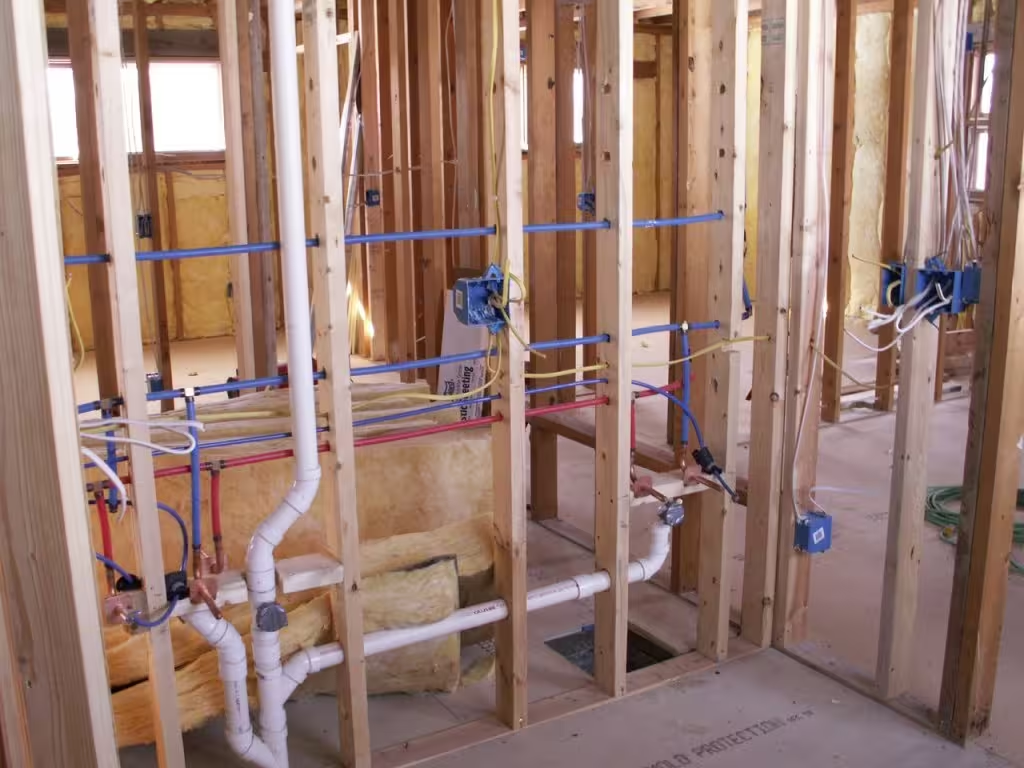
System Design: Develop detailed designs for plumbing systems, including water supply, drainage, venting, stormwater management, and gas piping, using tools like AutoCAD and Revit.
Code Compliance: Ensure all designs adhere to local, national, and international plumbing codes and regulations.
Water Efficiency: Incorporate water-saving technologies, such as low-flow fixtures, rainwater harvesting systems, and greywater recycling solutions.
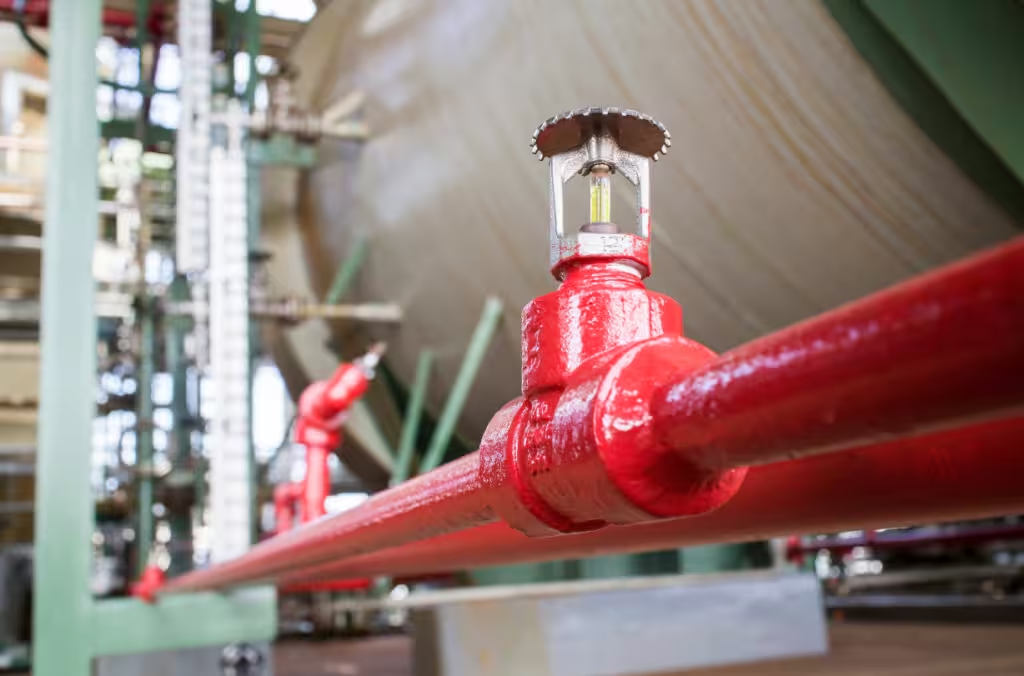
Hydraulic Calculations: Conduct hydraulic analysis to determine proper pipe sizes, flow rates, and pressure for fire suppression systems.

System Design: Develop detailed designs for fire suppression, detection, and alarm systems, including sprinklers, standpipes, fire pumps, and smoke control systems, using tools like AutoCAD and Revit.
Code Compliance: Ensure all designs adhere to local, national, and international fire safety codes and standards, such as NFPA and ICC guidelines.
Risk Analysis: Perform fire risk assessments to identify potential hazards and recommend effective solutions.
Hydraulic Calculations: Conduct hydraulic analysis to determine proper pipe sizes, flow rates, and pressure for fire suppression systems.
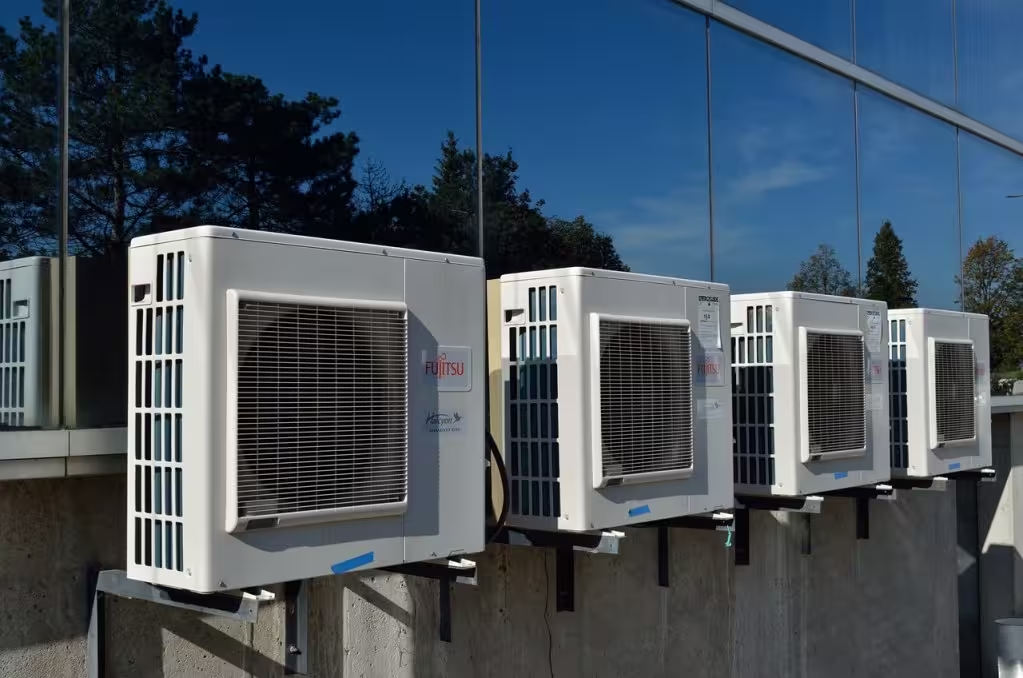
Leveraging cutting-edge tools, we analyze and optimize energy consumption, enabling sustainable designs that minimize environmental impact.
Our comprehensive feasibility studies provide informed insights into project viability, guiding decisions with accurate assessments of potential challenges and benefits.